Amazing Smartwatch vs Fitness Band: Which One Is Better for You in 2026?

Smartwatch vs Fitness Band

Quick Answer

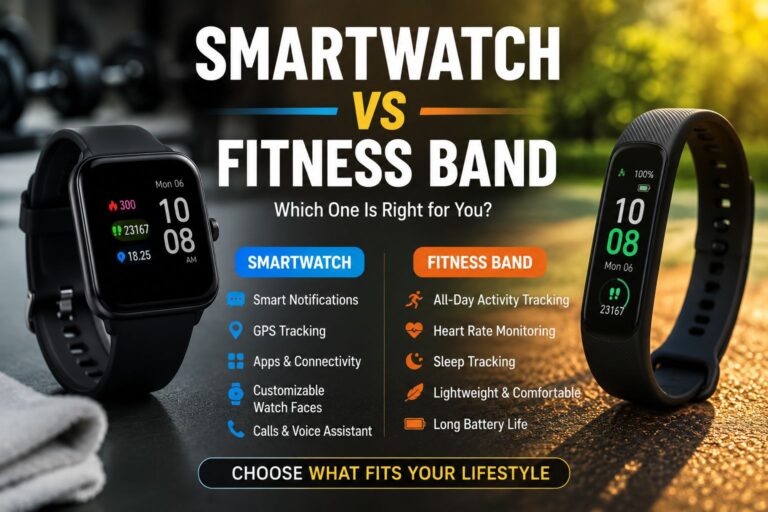
Smartwatch vs. Fitness Band: A smartwatch suits people who want a wrist-based mini-computer—notifications, apps, GPS, and health tracking in one device. A fitness band is the better pick for anyone who wants simple, accurate health and activity tracking at a lower price with longer battery life. The right choice depends on your daily habits, budget, and how much you actually want your wrist device to do.

Key Takeaways

  • Fitness bands typically cost $30–$150 and last 7–14 days on a single charge; smartwatches usually cost $150–$500+ and last 1–3 days.
  • Smartwatches run apps, handle calls and texts, support GPS, and often include NFC payments.
  • Fitness bands focus on steps, heart rate, sleep tracking, and calorie estimates — with fewer distractions.
  • For serious athletes, a GPS-enabled smartwatch or dedicated sports watch often beats both options.
  • Battery life is the single biggest practical difference between the two categories.
  • Both device types now include blood oxygen (SpO₂) sensors and continuous heart rate monitoring in mid-range and above models.
  • Comfort and wearability matter more than specs — a device you stop wearing gives you zero data.
  • If you use an iPhone or Android phone heavily, a smartwatch extends your phone’s functionality; a fitness band does not.

What Is the Core Difference Between a Smartwatch and a Fitness Band?

A smartwatch is a wearable computer that runs apps, displays notifications, and often mirrors key phone functions on your wrist. A fitness band (also called an activity tracker or smart band) is a stripped-down wearable designed primarily to monitor health metrics like steps, heart rate, and sleep.

The distinction has blurred in 2026—many fitness bands now show notifications, and many smartwatches include advanced health sensors. But the core design philosophy still differs:

Feature Smartwatch Fitness Band
App support ✅ Yes (full app stores) ❌ Limited or none
Notifications ✅ Full (reply, dismiss) ⚠️ View only
GPS ✅ Most models ⚠️ Some mid-range models
Battery life 1–3 days (typical) 7–14 days (typical)
Screen size Large, touchscreen Small or no screen
Price range $150–$500+ $30–$150
Health tracking Advanced Core metrics, accurate
NFC payments ✅ Most models ❌ Rare
Weight/bulk Heavier Lightweight

Common mistake: Assuming a more expensive smartwatch means better fitness tracking. Several fitness bands (like the Fitbit Charge and Garmin Vivosmart lines) have more accurate step and sleep data than entry-level smartwatches because their sensors are tuned specifically for those tasks.

Visit Amazon Fitness band:https://amzn.to/4fwrtGY

Visit Amazon Smartwatch: https://amzn.to/4ddOzkc

Smartwatch vs Fitness Band: Which One Is Better for You? — A Feature-by-Feature Breakdown

Smartwatch vs Fitness Band

The answer changes based on which features matter most to your lifestyle. Here’s how each device performs across the categories people care about most.

Health & Fitness Tracking

Both devices track steps, heart rate, calories, and sleep. The difference is depth and accuracy.

  • Fitness bands are purpose-built for health data. Their algorithms for step counting and sleep staging tend to be more refined because the hardware isn’t juggling app processing at the same time.
  • Smartwatches add ECG (electrocardiogram), blood pressure estimation, skin temperature, and advanced workout modes — features that fitness bands rarely match at the same price point.

Choose a fitness band if you want reliable daily health data without complexity. Choose a smartwatch if you want medical-grade sensors like ECG or detailed multisport tracking.

Battery Life

This is where fitness bands win clearly. A typical fitness band runs 7–14 days between charges. Most smartwatches need daily or every-other-day charging.

For people who travel frequently, work long shifts, or simply forget to charge devices, a fitness band’s battery life is a genuine quality-of-life advantage. Sleep tracking is also more consistent on a fitness band because you’re less likely to have a dead battery at bedtime.

Notifications and Connectivity

Smartwatches let you read, reply to, and manage notifications directly from your wrist. Many support LTE, so they work independently from your phone for calls and messages.

Fitness bands show incoming notifications but rarely allow replies. They work as a passive alert system, not a communication tool.

Edge case: If you work in a setting where pulling out your phone is disruptive (meetings, operating machinery, or customer-facing roles), a smartwatch’s wrist-based reply feature is genuinely useful—not just a gimmick.

Design and Comfort

Fitness bands are slim, light, and easy to forget you’re wearing. Smartwatches are bulkier, though premium models have improved significantly in comfort and style.

For everyday wear, sleep tracking, and workouts, a fitness band’s low profile wins. For professional or social settings where you want a device that doubles as a watch or accessory, a smartwatch looks more appropriate.

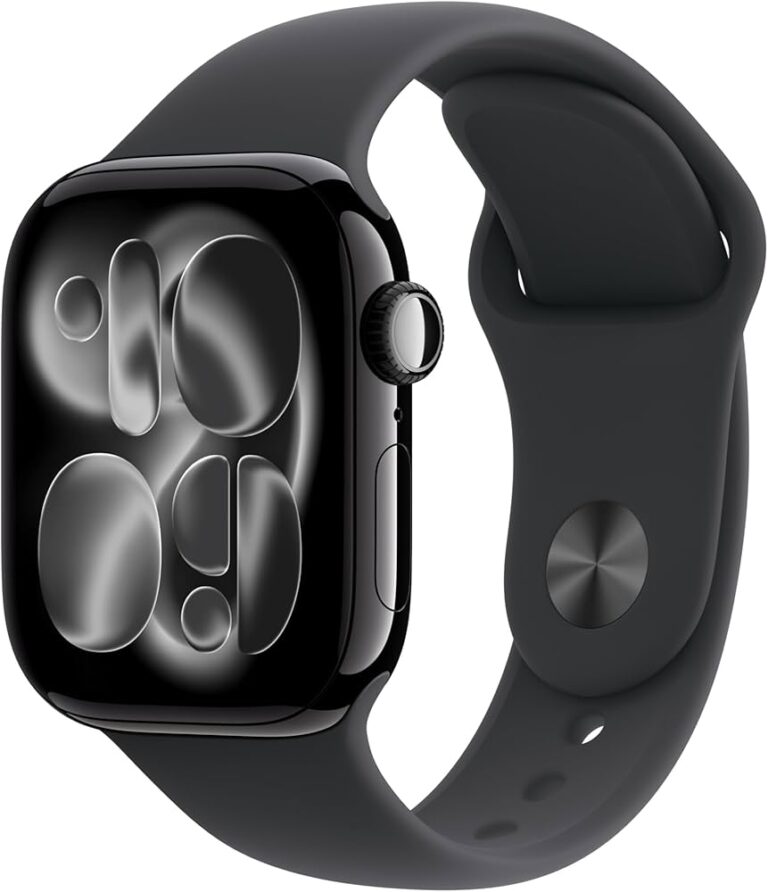
If you’re interested in customizing how your wearable looks, check out this Apple Watch Series 11 band style and design guide for ideas on making a smartwatch work with different outfits and occasions.

Who Should Buy a Smartwatch?

Smartwatch vs Fitness Band

A smartwatch is the better choice for people who want their wrist device to replace or extend their smartphone experience.

Buy a smartwatch if you:

  • Regularly receive calls, messages, or emails that you need to act on quickly
  • Want GPS tracking for running, cycling, or hiking without carrying your phone
  • Use contactless payments (Apple Pay, Google Pay) frequently
  • Want health features like ECG, blood pressure monitoring, or fall detection
  • Are already invested in an ecosystem (Apple Watch + iPhone, or Galaxy Watch + Samsung)
  • Don’t mind charging your device every night

For Android users considering ecosystem compatibility, it’s worth reading reviews of flagship phones like the Samsung Galaxy S26 Ultra to understand how tightly a smartwatch integrates with your specific device.

A smartwatch is not ideal if you prioritize battery life, want minimal distractions, or are on a tight budget.

Who Should Buy a Fitness Band?

A fitness band is the right pick for people whose primary goal is health and activity monitoring — without the noise of a full smart device on their wrist.

Buy a fitness band if you:

  • Want accurate step, sleep, and heart rate data without distractions
  • Need a device that lasts a week or more between charges
  • Are new to wearables and want a low-commitment starting point
  • Have a budget under $100
  • Prefer a lightweight, comfortable device for all-day and overnight wear
  • Don’t need apps, GPS, or the ability to reply to messages from your wrist

Common mistake: Buying a fitness band expecting it to replace your phone for notifications. It won’t — and that frustration causes many people to abandon the device within weeks.

Smartwatch vs Fitness Band: Which One Is Better for You? — Price and Value Comparison

Price is often the deciding factor, and the value equation is straightforward.

Fitness bands ($30–$150):

  • Excellent value for core health tracking
  • Lower risk if you’re unsure whether you’ll use a wearable consistently
  • Brands: Fitbit Inspire, Xiaomi Mi Band, Garmin Vivosmart, Samsung Galaxy Fit

Entry-level smartwatches ($150–$250):

  • Add notifications, basic apps, and sometimes GPS
  • Battery life drops to 1–3 days
  • Brands: Samsung Galaxy Watch FE, Garmin Forerunner entry models, Amazfit GTS

Premium smartwatches ($300–$500+):

  • Full health sensor suite, LTE, premium materials, advanced sports tracking
  • Brands: Apple Watch Series 11, Samsung Galaxy Watch Ultra, Garmin Fenix

💡 Value rule of thumb: If health tracking is 80% of your use case, an $80 fitness band will outperform a $150 smartwatch for your specific needs. Spend up only when you genuinely need the extra features.

For a broader look at smart devices across different price points, the Smart Devices category on TechnoItem covers a range of options worth comparing.

How Do Smartwatches and Fitness Bands Handle Health Monitoring in 2026?

Both categories have expanded their health monitoring capabilities significantly. Here’s what’s standard across price tiers in 2026:

Available on most fitness bands (mid-range and above):

  • 24/7 heart rate monitoring
  • SpO2 (blood oxygen) tracking
  • Sleep stage analysis (light, deep, REM)
  • Stress score estimation
  • Menstrual cycle tracking
  • Step and calorie counting

Available on smartwatches (mid-range and above):

  • Everything above, plus:
  • ECG / atrial fibrillation detection
  • Skin temperature monitoring
  • Blood pressure estimation (select models)
  • Fall detection and emergency SOS
  • Advanced workout metrics (VO2 max, recovery time, training load)

Important note: Health features like ECG and blood pressure estimation on consumer wearables are not medical-grade diagnostic tools. They can flag potential issues worth discussing with a doctor, but they should not replace clinical testing. No consumer wearable has FDA clearance as a primary diagnostic device for most conditions as of 2026.

What Are the Most Common Mistakes When Choosing Between the Two?

  1. Overbuying on features you won’t use
    Most people use 3–4 features on their wearable consistently. Paying $400 for a smartwatch when you only check steps and sleep is a poor trade.
  2. Ignoring battery life until it’s too late
    Daily charging is a dealbreaker for many users. If you’ve never owned a smartwatch, test your tolerance for this before committing.
  3. Choosing based on specs instead of habits
    A fitness band you wear every day beats a smartwatch you leave on the charger. Honest self-assessment of your habits matters more than a spec sheet.
  4. Forgetting about ecosystem lock-in
    The Apple Watch works best with an iPhone. Galaxy Watch works best with Samsung Android phones. Buying outside your ecosystem means losing features. Check compatibility before purchasing.
  5. Assuming a higher price means better fitness tracking
    As noted above, dedicated fitness bands often outperform entry-level smartwatches on the specific metrics they’re designed to track.

FAQ: Smartwatch vs Fitness Band

Q: Can a fitness band replace a smartwatch?
No. A fitness band cannot run apps, reply to messages, make payments, or provide GPS navigation. It’s a health tracker, not a wrist computer.

Q: Can a smartwatch replace a fitness band?
For most users, yes — if battery life isn’t a concern. Premium smartwatches match or exceed fitness bands on health tracking while adding far more functionality.

Q: Which is better for weight loss goals?
Either works for tracking calories and activity. A fitness band’s simplicity and longer battery life mean more consistent wear, which often leads to better data and habit formation.

Q: Is a smartwatch worth it if I already have a good smartphone?
It depends on how often you need quick access to notifications or health data without pulling out your phone. For heavy phone users in active or professional environments, yes. For casual users, probably not.

Q: Which is better for sleep tracking?
Fitness bands generally win here. Their longer battery life means the device is more likely to be charged and on your wrist at bedtime, and their sleep algorithms are often more refined.

Q: Are fitness bands waterproof?
Most mid-range and above fitness bands are water-resistant to 50 meters (5ATM), suitable for swimming. Always check the specific rating before submerging any device.

Q: Which is better for kids?
A fitness band is generally more appropriate—it’s simpler, more durable, has longer battery life, and has no app distractions. Several brands offer kid-specific models.

Q: Do fitness bands work without a smartphone?
They store data independently but require a paired smartphone app to sync, analyze, and display detailed stats. A smartphone is required for full functionality.

Q: Which is better for older adults?
Smartwatches with fall detection and emergency SOS (like Apple Watch Series 11) offer safety features that fitness bands typically lack. For older adults living alone, that capability can be genuinely important.

Q: How long do fitness bands last before needing replacement?
Most fitness bands have a practical lifespan of 2–3 years before battery degradation or software support ends. Smartwatches tend to receive software updates for 3–5 years.

Conclusion: Making the Right Choice for Your Lifestyle

The Smartwatch vs. Fitness Band: Which One Is Better for You? The question doesn’t have a universal answer—but it does have a clear framework.

Choose a fitness band if your goal is simple, consistent health tracking; you want 7+ days of battery life; your budget is under $150; or you want a lightweight device you’ll actually wear every day without thinking about it.

Choose a smartwatch if you want your wearable to extend your smartphone experience; you need GPS, apps, or contactless payments; you want advanced health sensors like ECG; or you’re willing to charge daily for a more capable device.

Actionable next steps:

  1. List the 3–5 features you’ll actually use daily—not the ones that sound impressive.
  2. Check your phone’s ecosystem (iPhone vs. Android) before picking a brand.
  3. Set a realistic budget and start there — you can always upgrade.
  4. If you’re undecided, start with a mid-range fitness band. It’s a lower-risk entry point that still delivers real health insights.
  5. Read hands-on reviews for the specific model you’re considering, not just category comparisons.

For more tech buying guides and device reviews, explore the full Watch category on TechnoItem to compare current models side by side.

References

Apple Watch Series 11 Band 2026: Top Styles & Comfort

Apple Watch Series 11 Band

Early Style Discovery with the Apple Watch Series 11 Band

I got my first Apple Watch Series 11 band in 2026, and honestly, I didn’t think much of it at the time. I picked a bright color on a whim—no research, no second thoughts. It just felt right in the moment.

But when people started noticing it, asking about it, even complimenting it in passing, something shifted. It wasn’t just a band anymore. It felt like a small expression of who I was.

That’s when I realized something simple but important. Style doesn’t always come from planning. Sometimes, it starts with trusting your instincts.

Before long, my Apple Watch Series 11 band became more than just an accessory. It turned into a small, everyday canvas. I started playing around with different colors, matching them with outfits, sometimes even deliberately clashing just to see how it felt.

Then I got curious and began experimenting with materials.

A leather Apple Watch Series 11 band gave off a calm, refined vibe—something I’d wear when I wanted to feel more put together. A leather Apple Watch Series 11 band felt classic and mature.

A silicone Apple Watch Series 11 band worked perfectly for workouts and daily comfort. Fabric bands felt easygoing and breathable.

Metal bands, though, were different. They carried a certain confidence, a sharper presence—almost like wearing a premium Apple Watch Series 11 band built for a more polished look.

What surprised me most was how these small choices affected my mood.

apple watch series 11 band,
Apple Watch Series 11 band,

I didn’t expect that. But it was real. Some days, a simple switch in my Apple Watch Series 11 band made me feel more focused. Other days, it made me feel more relaxed or expressive.

So I started paying attention.

Nothing complicated. I just noted what I wore and how it felt. Over time, patterns started to appear. Certain styles matched certain moods. Certain colors brought out different sides of me.

I even started saving photos and building a small mood board. Sharing it with friends made it more fun and creative.

What started as a random purchase slowly turned into something meaningful.

I became more open to trying new things, less worried about getting it perfect, and more focused on what felt right. I also started thinking more about choosing the Apple Watch Series 11 band—not just for looks, but for comfort and everyday confidence.

Looking back, that first band taught me more than I expected.

Small choices really do matter. And sometimes, choosing the Apple Watch Series 11 band can quietly shape your confidence, your creativity, and how you present yourself.

Visit Amazon: https://amzn.to/4cziOl7

  • Bright color pick

  • Leather texture test

  • Metal band trial

  • Fabric weave sample

  • Custom design sketch

Design Simplicity

Element Impact
Minimal clasp Easy daily wear
Subtle hue Matches all looks
Slim profile Feels barely there
Smooth finish Reduces skin irritation

I’ve come to appreciate simplicity in my daily style, especially when choosing an Apple Watch Series 11 Band. Clean lines and minimal design help me stay focused and calm throughout the day.

I tend to avoid busy patterns and bold prints during workdays. Instead, I go for plain, neutral-toned Apple Watch Series 11 Band options that create fewer visual distractions. This simple choice makes a noticeable difference in how clearly I can think and how productive I feel.

There’s something elegant about muted tones. They pair effortlessly with almost any outfit, making it easier to build a capsule wardrobe around a few reliable Apple Watch Series 11 Band styles. With fewer decisions to make each morning, my routine feels smoother and more intentional.

On weekends, I like to switch things up with brighter bands, but during the week, simplicity always wins. I’ve learned that reducing visual noise, whether on my wrist or in my environment, improves my focus and overall sense of calm.

This mindset extends beyond style. I’ve decluttered my phone, simplified my workspace, and streamlined my daily habits. Choosing a minimal Apple Watch Series 11 Band is just one small part of a larger lifestyle shift toward clarity and discipline.

Now, I see my watch as a blank canvas. I decorate it sparingly, choosing designs that reflect simplicity and purpose. In a world full of noise, a clean and minimal Apple Watch Series 11 Band helps me stay grounded every single day.

Daily Comfort Lessons Apple Watch Series 11 Band

I tested the wear for hours. I noted pressure points on the wrist. I adjusted the tightness several times. I learned that small tweaks matter. I tracked after-work impressions. I felt less fatigue then. I measured skin breathability, too. I found nylon blends best for sweat. I avoided stiff leather on runs. I switched to soft silicone next. I felt relief from chafing. I learned to switch bands midday. I built a rotation for comfort. I carry spares in my bag. I change bands after showers. I let the skin air fully. I log which bands feel best. I review entries weekly for patterns. I tend to wear ultra-soft options. I ensure fit allows no slip. I tighten just enough for sensors. I found that balance with trial.

Band Type Comfort Notes
Silicone Soft, sweats wick well
Nylon Breathable, light on skin
Leather Breaks in overtime
Metal Heavier, adjust carefully

Material Evolution

I experimented with unusual blends. I mixed recycled yarn designs. I felt proud to support green brands. I chose wood-infused composites briefly. I admired natural grains on wrists. I wrestled with scratch impressions. I balanced looks with wear rates. I judged durability by daily tests. I forged personal ratings in a log. I graded bands on a five-point scale. I noted which held shape best. I replaced weak loops quickly. I wrote brand notes in a diary. I researched sustainable factories online. I visited small artisan stalls. I met makers at local fairs. I probed craft methods deeply. I asked about waste management. I felt engaged in my choices. I built a shortlist of favorites. I paired eco picks with outfits. I aligned my values with style. I found pride in mindful selection.

  • Recycled nylon

  • Natural leather

  • Wood composite

  • Steel mesh

  • Braided fabric

Color Experimentation

Hue Mood
Sunset orange Energetic
Midnight blue Calm
Forest green Grounded
Cream white Clean
Charcoal gray Professional

I chose bold hues monthly. I matched bands to seasons often. I felt playful each spring. I embraced crisp whites in summer. I tested deeper blues in the fall. I combined earthy greens in winter. I enjoyed the contrast with darker skin. I noted compliments during outings. I tracked mood lifts with color. I logged responses from friends. I refined my palette slowly. I performed blind tests at home. I spun a color wheel weekly. I picked at random sometimes. I learned what felt right. I paired bands with accessories lightly. I found balance in hues. I avoided neon on formal days. I discovered subtle pops work best. I rotated palettes every quarter. I achieved harmony each cycle. I improved my color intuition.

Fit and Function Apple Watch Series 11 Band

Feature Lesson
Adjustable clasp Fine-tuning fit
Built-in sensors Ensure clear contact
Quick release Easy swap
Magnetic latch Secure hold
Extra holes Custom sizing
Clasp guard Prevents snagging

I tested each clasp style. I gauged ease in seconds. I noted those who felt secure. I avoided complex moving parts. I favored quick change options. I valued tool-free swaps most. I learned about clasp wear. I replaced worn buckles promptly. I used borrowed tools at times. I practiced on spares at night. I cleaned clasps after salty swims. I dried the parts gently each time. I logged slip incidents in notes. I found patterns over weeks. I adjusted habits accordingly. I now tighten bands nightly. I check fit before exercise. I feel assured with snug sets. I avoid pinch points on the skin. I achieved both style and ease. I keep my watch ready daily.

DIY Customization

  • Hand-painted accents

  • Woven thread insets

  • Laminated decals

  • Engraved tags

  • Stitched borders

  • Swappable charms

I started a small workshop. I painted the edges with care. I learned proper sealants quickly. I wove cotton threads for texture. I discovered brightness fades outdoors. I tested sun resistance weekly. I scanned DIY forums at night. I asked peers for tips. I improved my techniques after errors. I patched flaws with kits. I outlined projects in planners. I scheduled creative time each week. I balanced DIY with daily tasks. I offered custom orders to friends. I mailed crafted bands regionally. I felt joy in giving. I tracked custom feedback diligently. I adapted designs based on notes. I now host local pop-ups. I share my art freely. I found deeper meaning in craft.

On-the-Go Adjustments

Scenario Quick Fix
Gym session Silicone swap
Office meeting Leather clasp
Beach day Nylon weave
Formal dinner Metal link
Hiking trip Breathable mesh

I always packed a small kit. I carried two spare bands. I included a tiny screwdriver. I stored them in my bag. I swapped bands in parking lots. I changed in the coffee shop restrooms. I cleaned the contacts with tissues. I handled clasps outdoors carefully. I logged fixes into notes. I refined my on-road toolkit. I replaced worn pins then. I stocked silicone loops in bulk. I tested new tools monthly. I learned quick hacks online. I shared tips with coworkers. I felt proud when offering help. I now feel prepared always. I avoid band woes on trips.

Fitness and Flair

  • Sweatproof bands

  • Reflective accents

  • Secure loops

  • Lightweight springs

  • Grip textures

I honed my workout kit. I learned to lock bands tight. I found grips crucial on runs. I tested reflective weaves at dusk. I jogged at dawn weekly. I noted how bands shifted. I improved my strap selection. I added foam pads for lifts. I switched to stretchy loops. I tracked heart rate accuracy. I compared readings mid-session. I observed performance drift. I tightened until readings stabilized. I sought bright colors for safety. I lit paths with arm swings. I wore neon blends under street lights. I felt secure on dark roads. I balanced style with traction. I perfected my exercise gear. I now enjoy crisp runs daily.

Travel and Wear

Location Preferred Band
City tour Sturdy silicone
Mountain hike Breathable nylon
Beach visit Quick-dry mesh
Business trip Leather classic
Cultural fair Metal link
Cruise deck Rubber weave

I crossed borders with care. I packed bands in pouches. I avoided bulky cases. I used thin cloth wraps. I labeled each travel kit. I stacked them neatly in a bag. I slept in airport lounges. I cleaned the bands with wipes. I aired them on balconies. I noted climate effects on material. I filed wear reports nightly. I tweaked my packing system. I added silica packets each trip. I avoided moisture in cabins. I selected durable picks for roads. I enjoyed new styles abroad. I traded bands with locals sometimes. I felt a cultural link. I built a travel gallery online.

Personal Philosophies

Lesson 😊 Meaning 🤔
Simplicity Calm mind
Comfort Daily ease
Experimentation Growth
Mindfulness Intentional choice
Craftsmanship Pride
Adaptability Freedom

Long-Term Bond

  • Ever-evolving style

  • Personal growth symbol

  • Daily comfort guide

  • Creative outlet

  • Travel companion

  • Fitness partner

  • Eco statement

  • Collector’s keepsake

I started noticing how different bands made me feel. Some days I wanted something subtle, other days I leaned into bold choices. That Apple Watch Series 11 Band became part of those moments. Not just something I wore, but something I experienced.

Over time, I began writing things down. Small notes about what I wore, how it felt, and even how people reacted. It turned into something I didn’t expect. I started sharing those thoughts, then teaching others how to pay attention to their own style in a more mindful way.

Now I run small workshops and talk to people who are figuring out their own taste. It’s always interesting to hear how something as simple as a watch band can change how someone feels during the day.

I’ve put together guides, shared ideas online, and had conversations I never thought I would have. All of it started with paying attention to one small detail.

I still think about that first Apple Watch Series 11 Band. It reminds me that style doesn’t have to be complicated. Sometimes it’s just about choosing something you like and letting it grow with you.

And honestly, that’s enough.

Conclusion

Choosing the perfect Apple Watch Series 11 band for 2026 is all about balancing style and comfort. Whether you prefer sleek metal, soft silicone, or leather, there’s an option that fits your look and lifestyle. Lightweight bands keep you comfortable during workouts, while dressier styles shine at events. Durable materials ensure your band lasts through daily wear and tear. With easy swaps and adjustable designs, you can personalize your watch for mood and activity. Investing in a truly quality band means enjoying both function and fashion. Ready to upgrade? Find your ideal match and enjoy a stylish wrist accessory daily.